

Interior Demolition vs Full Demolition Explained

When starting a remodel or rebuild, one big question comes up early: interior demolition vs full demolition. The right choice depends on what you want to change, how much of the building you plan to keep, and your budget.

Both options fall under different types of demolition, and each serves a specific purpose. Understanding the difference helps you avoid extra costs, delays, and safety issues.
What Is Interior Demolition?
Interior demolition services remove parts inside a building while keeping the existing structure standing. The outside walls, roof, and main supports stay in place.
Interior demolition usually includes removing:
Interior walls and framing
Ceilings and flooring
Cabinets, fixtures, and finishes
Plumbing, electrical, and HVAC inside the space
This type of work is common for commercial interior demo projects where a building is being updated but not torn down.
When Interior Demolition Makes Sense
Interior demolition is often used for:
Office remodels
Retail space demolition
Restaurant updates
Tenant improvements
Renovation demolition for outdated interiors
Because the main structure stays, interior demolition is often more cost effective than full demolition.
What Is Full or Structural Demolition?
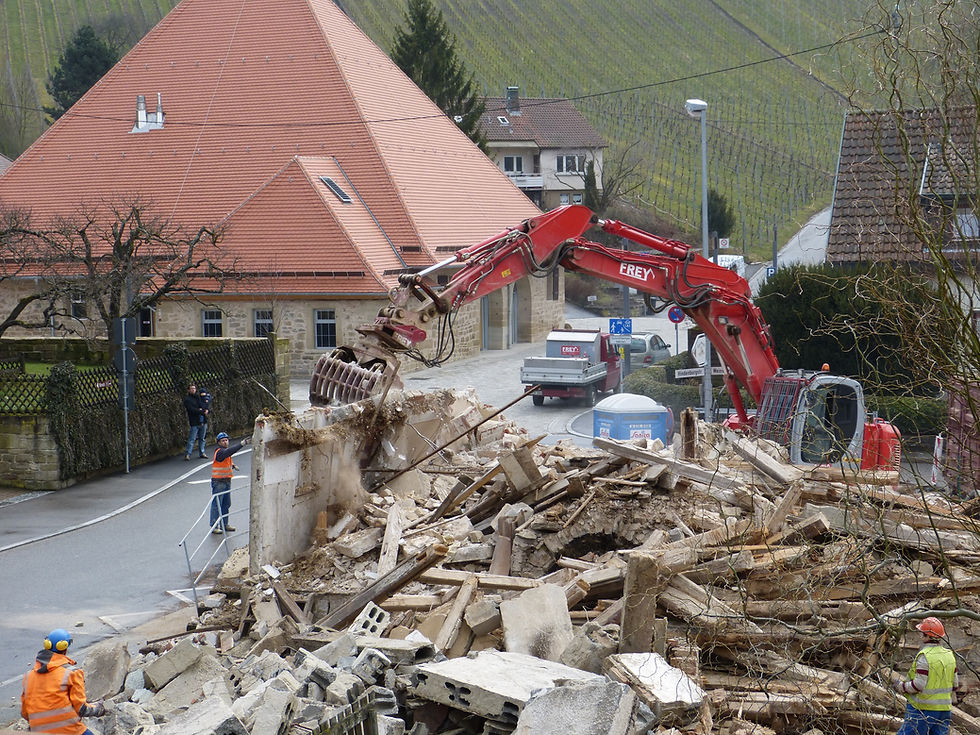
Structural demolition removes major structural elements or the entire building. This includes load-bearing walls, roofs, and foundations. In some cases, everything is removed down to the ground.
These projects are usually:
Large scale
Done with heavy machinery
Planned well in advance
Subject to strict rules
Many people picture a wrecking ball, but most modern structural demolition uses excavators and controlled methods instead.
Comparing Interior Demolition vs Full Demolition
Understanding interior demolition vs full demolition helps you choose the right approach.
Scope of Work
Interior demolition focuses only on what is inside the building. Structural demolition removes the building itself.
Cost
Interior demolition is usually more cost effective because less material is removed and fewer machines are needed. Structural demolition costs more due to labor, equipment, hauling, and cleanup.
Safety
Both options must follow strict safety standards. Structural demolition carries more risk because removing key supports can affect the entire building. Protecting structural integrity is critical.
Partial Demolition Projects
Some jobs fall between interior and full demolition. Partial demolition projects remove specific areas while keeping the rest of the structure in place.
Examples include:
Removing one section for an addition
Opening up major interior spaces
Taking out select load-bearing walls
These projects are requiring careful planning to make sure the building stays stable. Engineers and skilled crews are often involved to ensure safety.
Commercial Interior Demo for Businesses
Commercial interior demo is common in offices, medical buildings, and professional spaces. Businesses often remodel to improve layout, workflow, or appearance.
Experienced office demolition contractors know how to:
Minimize disruption to nearby businesses
Control dust and debris
Follow tight schedules
Work safely in active buildings
Interior demolition allows businesses to update their space without tearing everything down.
Retail Space Demolition Needs Speed
Retail space demolition often comes with short timelines. Stores may need to reopen quickly to avoid lost revenue.
Interior demolition crews must:
Work fast but safely
Use strong dust control methods
Protect shared walls and utilities
Keep work areas clean
A safe and efficient process helps projects stay on track.
When Structural Demolition Is the Better Choice
Structural demolition is often needed when:
The building is unsafe
The layout no longer works
Repair costs are too high
A new building is planned
These projects often require permits, inspections, and detailed plans. A professional demolition company handles these steps and focuses on ensuring compliance with local rules.
Why Demolition Scope Planning Matters
Good demolition scope planning is important for every project. The scope explains what will be removed, what stays, and how the work will be done.
Planning includes:
Reviewing the existing structure
Identifying key structural elements
Scheduling utility shutoffs
Planning debris removal
Meeting permit rules
Clear planning helps avoid delays, extra costs, and safety problems.
Safety Is Always the Top Priority
No matter the project size, safety is the top priority. Demolition work can be dangerous if not done correctly.
Professional crews focus on:
Meeting all safety standards
Using protective barriers
Managing dust and noise
Training workers on heavy machinery
Securing unstable areas
Every step is taken to ensure safety for workers and nearby properties.
Recycling Materials and Reducing Waste
Many demolition projects now focus on recycling materials. Concrete, metal, and wood can often be reused instead of thrown away.
Recycling helps:
Reduce landfill waste
Lower disposal costs
Improve energy efficiency
Support sustainable building practices
Choosing a demolition company that recycles adds value to your project.
Choosing the Right Demolition Company
The right contractor makes a big difference. A skilled demolition company understands all types of demolition and can guide you toward the best solution.
A good contractor will:
Review your goals
Evaluate the existing structure
Recommend interior or structural demolition
Handle permits and inspections
Keep the project safe and organized
Final Thoughts
Choosing between interior demolition vs full demolition depends on your goals, budget, and building condition. Interior demolition services are ideal for remodels, while structural demolition works best for full rebuilds or unsafe buildings.
With clear planning, proper safety steps, and the right demolition company, your project can move forward smoothly and successfully.


Comments