

Essential Steps to Plan Your Commercial Demolition Project Before Winter Weather Hits

When it comes to commercial demolition in North Texas, timing can make all the difference. Fall offers a unique window to complete demolition projects before the challenges of winter weather and year-end construction schedules arrive. At Lloyd Nabors Demolition, we understand how crucial it is to plan carefully to keep your project on track and avoid costly delays. In this post, we’ll walk you through why fall is an ideal time for demolition and the key steps to prepare your site efficiently and safely.

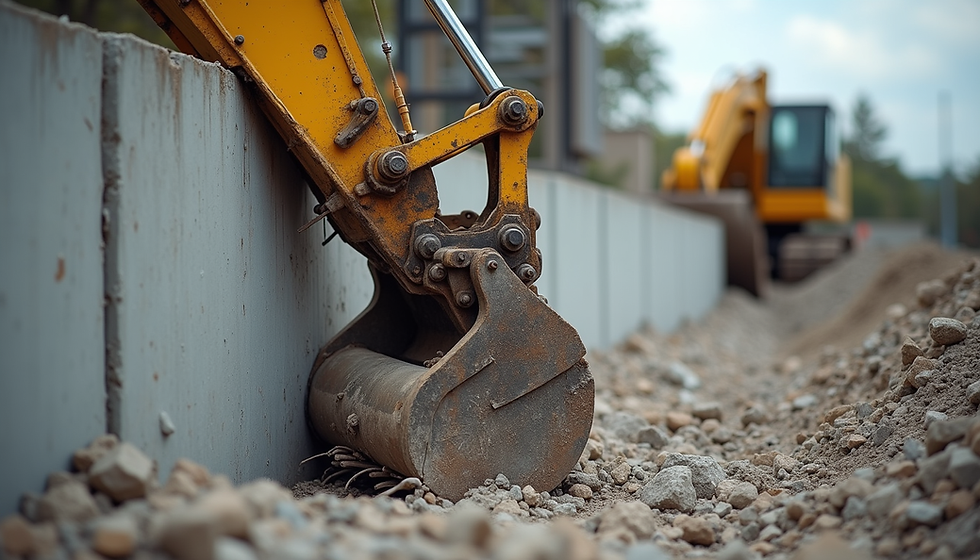
Fall provides ideal weather conditions for commercial demolition projects in North Texas.
Why Fall Is the Best Time for Commercial Demolition
Fall offers several advantages for commercial demolition projects:
Milder Weather: Cooler temperatures and less rain reduce weather-related interruptions.
Before Winter Delays: Completing demolition before winter avoids frozen ground and snow, which complicate site work.
Year-End Construction Schedules: Many construction projects ramp up in spring, so clearing sites in fall helps meet tight deadlines.
Permitting and Inspections: Local agencies often have lighter workloads in fall, speeding up approvals.
Starting your demolition project in fall means you can move smoothly into the next phase of construction without unexpected weather delays or scheduling conflicts.
Planning Timelines for Your Demolition Project
Proper planning is the backbone of a successful demolition project. We recommend starting the planning process at least 3 to 4 months before your desired demolition start date in fall. This timeline allows for:
Securing necessary permits
Scheduling utility disconnects
Conducting hazardous material inspections
Coordinating demolition sequencing
Planning material recycling and disposal
By beginning early, you reduce the risk of last-minute surprises that can push your project into winter months.
Navigating Permitting and Regulatory Requirements
Permits are mandatory for commercial demolition and vary by municipality in the Dallas-Fort Worth area. We work closely with local authorities to ensure all permits are obtained promptly. This includes:
Demolition permits
Environmental clearances
Waste disposal approvals
Starting the permitting process early in fall helps avoid delays caused by backlogs or incomplete paperwork. Our team at Lloyd Nabors Demolition has extensive experience managing these requirements efficiently.
Coordinating Utility Disconnects Safely
Before demolition begins, all utilities must be safely disconnected. This includes electricity, water, gas, and telecommunications. Coordinating with utility providers can take several weeks, so it’s essential to schedule these disconnects early in the planning phase.
We handle communication with utility companies to ensure disconnects happen on time and safely, preventing hazards during demolition.
Conducting Hazardous Material Inspections
Older commercial buildings often contain hazardous materials such as asbestos, lead paint, or mold. Identifying and safely removing these materials is critical to protect workers, the environment, and surrounding communities.
Our team conducts thorough hazardous material inspections before demolition starts. We follow strict safety protocols and regulatory guidelines to manage hazardous materials responsibly.
Sequencing Demolition for Efficiency and Safety
Demolition sequencing means planning the order in which parts of the structure are taken down. Proper sequencing:
Minimizes risk to workers and nearby properties
Allows for efficient debris removal
Supports recycling efforts by separating materials
We develop detailed demolition plans that consider structural integrity, site access, and environmental factors to keep the project moving smoothly.
Recycling and Responsible Material Disposal
Sustainability is a priority in modern demolition. Recycling materials like concrete, steel, and wood reduces landfill waste and supports environmental goals.
At Lloyd Nabors Demolition, we sort and recycle as much material as possible. This approach not only benefits the environment but can also reduce disposal costs and improve project timelines.
Preparing the Site for Upcoming Construction
Once demolition is complete, the site must be prepared for the next phase of construction. This includes:
Clearing debris and grading the land
Installing erosion control measures
Ensuring safe access for construction crews
Proper site preparation prevents delays and sets a strong foundation for your new project.
How Lloyd Nabors Demolition Supports Your Project
We bring decades of experience managing commercial demolition projects across North Texas. Our team prioritizes safety, environmental responsibility, and clear communication throughout every phase. By partnering with us, you gain:
Expert project planning and management
Skilled crews trained in the latest safety standards
Efficient coordination with local authorities and utility providers
Commitment to recycling and sustainable practices
Our goal is to help you complete your demolition on schedule and ready your site for successful construction.
If you’re planning a commercial demolition project in the Dallas-Fort Worth area, fall is the best time to get started. Proper planning now helps you avoid winter delays and keeps your project on track. Contact Lloyd Nabors Demolition today to schedule your demolition and experience a safe, efficient, and environmentally responsible process. Let us handle the complexities so you can focus on what’s next.


Comments